From first
contact to
End of Study
Enrollment performance depends on participants who present, qualify, and remain in the study. Alethium identifies them, confirms their intent to participate, and manages them through consent, first visit, and retention, so site resources are directed toward qualified candidates.


Targeted Reach
Digital campaigns matched to the protocol's populations, tuned continuously against enrollment thresholds.

Protocol Pre-Screening
Inclusion and exclusion criteria are applied during online pre-screening, so sites only meet participants who already qualify — and every pre-screening outcome is recorded in the participant's record.

Clinician Engagement
Clinically trained specialists connect with responders within minutes to educate, answer questions, and confirm intent.
%201.svg)
Navigation to First Visit
Alethium schedules the first visit, issues reminders, and assists participants in assembling the records the site requires, then transfers each participant to site staff with full context.
Automated eConsent with Identity Verification
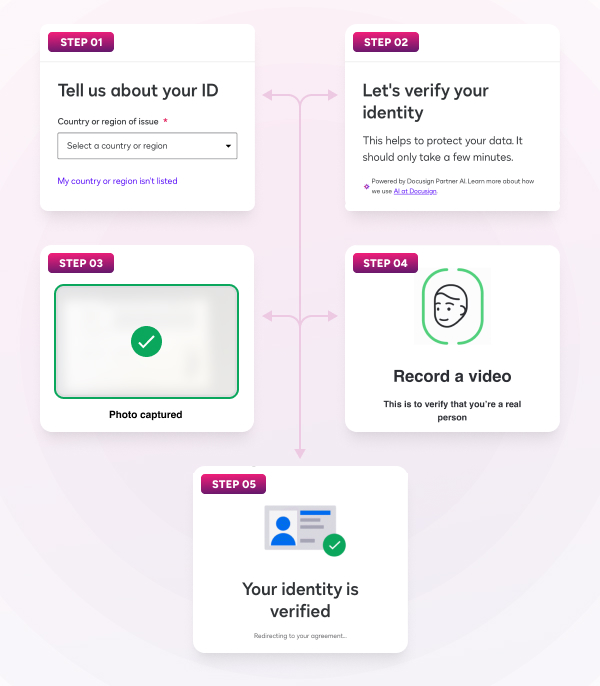
Participants move straight from screening into consent. AI-driven identity verification confirms who is signing, automated checks prevent unconsented study activity, and completed consent triggers kit shipment.

Randomization
Assignments execute per the randomization plan — single-arm and deterministic designs in the CDP, or integrated with a sponsor-selected randomization and trial supply management (RTSM) system — fully traceable to eligibility and consent.
Retention & Re-Consent
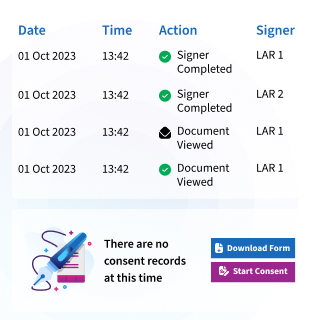
Task dashboards, automated reminders, and policy-driven recovery and escalation keep participants engaged, and re-consent triggers automatically when protocols change.
Recruited. Activated. Retained.
Faster first visits, fewer screen fails, lower dropout, complete traceability.
FAQs - Common Questions
Alethium applies protocol inclusion and exclusion criteria during online pre-screening. Clinically trained specialists then confirm the pre-screening outcome and intent. Sites receive participants who have already cleared protocol criteria, which cuts wasted screening visits and reduces the site workload that slows enrollment. Final eligibility determination remains with the investigator.
Decentralized and hybrid trials are Alethium's specialization. Because recruitment, eConsent, televisits, and logistics all run on the same event-driven platform, a participant recruited remotely can be consented, verified, and shipped a kit without entering a site. In hybrid protocols, participants attend a site only for the procedures that require one.
Yes. Targeted digital outreach reaches populations too dispersed for site catchment recruitment to fill, and pre-screening protects sites from the high screen-fail rates that rare disease protocols typically produce. Feasibility testing with prospective participants can validate reach before a study fields.
Recruitment produces leads; activation produces enrolled participants. Alethium's model adds clinician-led engagement between the two — specialists contact responders within minutes to educate them, answer clinical questions, and confirm they intend to participate. That intent is what drives faster first visits and lower dropout after enrollment.
Alethium's Automated eConsent uses AI-driven identity verification: government-issued ID validation across 195+ countries, biometric match, and liveness detection. Automated checks confirm a participant is consented before any study activity proceeds, and every consent event is written to the immutable, event-driven audit log for 21 CFR Part 11 traceability.
Within minutes of a completed pre-screener. Speed of first contact is the strongest predictor of whether an interested participant converts to an enrolled one, so outreach is triggered automatically rather than batched.